Walk into any growing Indian business today, a warehouse in Bhiwandi, a retail chain in Bengaluru, or a manufacturing unit outside Pune, and you'll notice something has quietly changed. The old DVR-based analog camera in the corner, recording grainy footage nobody reviews until something goes wrong, is being phased out. In its place: sharp, connected, intelligent IP cameras that do far more than just record. This isn't a passing trend; it's a genuine shift in how Indian businesses approach security, accountability, and day-to-day operations. Here's why.
Key Takeaways
India's video surveillance market is growing fast, and IP-based systems are the biggest driver of that growth as businesses move away from analog setups.
IP cameras deliver sharper footage, remote access from anywhere, and far easier scalability than traditional CCTV.
New government rules now make certification a serious factor when choosing a camera vendor for business use.
AI features like video search are turning hours of footage into answers in seconds.
HiFocus offers certified, sector-specific IP surveillance solutions built for how Indian businesses actually operate.
The Shift From Analog to IP Is Already Underway
For years, analog CCTV was the default choice for Indian businesses cheap, familiar, and "good enough." That's no longer the case. Industry research shows India's video surveillance market was valued at roughly USD 4.4 billion in 2025 and is projected to grow at a CAGR of over 10% through 2030, with enterprises actively replacing analog equipment with IP devices that bundle edge analytics, according to Mordor Intelligence.
The reason is simple. Business owners aren't just buying cameras anymore; they're buying visibility, accountability, and data. Analog systems can't keep up with that expectation. That's exactly the gap that modern IP CCTV cameras are built to close, and it's why more security heads, facility managers, and business owners across India are rethinking their surveillance stack in 2026.
1. Sharper Footage That Actually Holds Up as Evidence
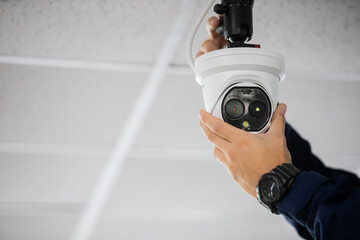
The single biggest complaint businesses have with old analog systems is footage quality. A blurry frame is useless when you're trying to identify a face, read a number plate, or settle a dispute with a customer or vendor.
Network cameras transmit high-resolution digital video over an IP network instead of a degraded analog signal, which means the image stays sharp even when you zoom in. For a business, this isn't a nice-to-have; it's the difference between footage that helps you and footage that just sits there. Whether it's a warehouse dispute, a cash-counter mismatch, or an insurance claim, clear footage from a reliable IP network camera setup is often what settles the matter in your favour.
2. Remote Monitoring That Fits How Businesses Actually Run Today
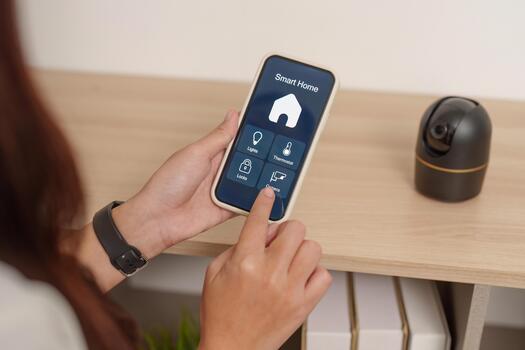
Very few businesses operate out of a single location anymore. You might have a head office in Delhi, a warehouse in Nagpur, and three retail outlets across two states. Analog systems tie you to a physical monitor in a physical room. IP cameras don't.
With a proper IP setup, an owner or security manager can pull up live or recorded feeds from any site, on a phone or laptop, from anywhere with an internet connection. This single feature has changed how multi-location businesses in India manage security, no longer relying on a security guard's word or waiting to physically visit a site to check what happened. It also scales cleanly: adding a new branch or expanding an existing site just means adding more cameras to the same network, not rebuilding the entire system.
3. AI Is Turning Footage Into Answers, Not Just Recordings
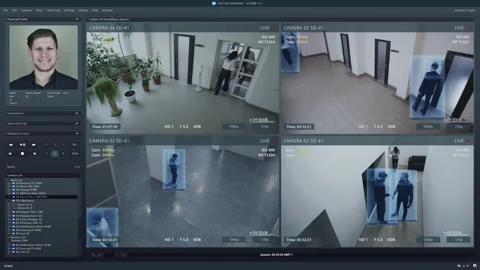
This is where the real transformation is happening. Traditionally, reviewing CCTV footage meant sitting through hours of recording to find one incident a genuinely painful process for any business owner or security team.
HiFocus built IntelliSeek to solve exactly this problem. Instead of scrubbing through timelines, IntelliSeek uses AI video search so you can simply describe what you're looking for a person in a red shirt, a delivery vehicle, a specific event nd the system finds it. It's essentially a type of search technology built for surveillance: type a description, get the matching clip.
For businesses, this means CCTV video search stops being a technical chore handled by an IT team and becomes something any manager can do in minutes. Searching CCTV footage by typing a plain description, instead of watching hour after hour of recording, is the kind of practical AI upgrade that actually saves time and money not just a feature on a spec sheet. It's a clear sign of where Indian business security is heading: from passive recording to active, searchable intelligence.
CHECKOUT: HD-NVR-7240ILM
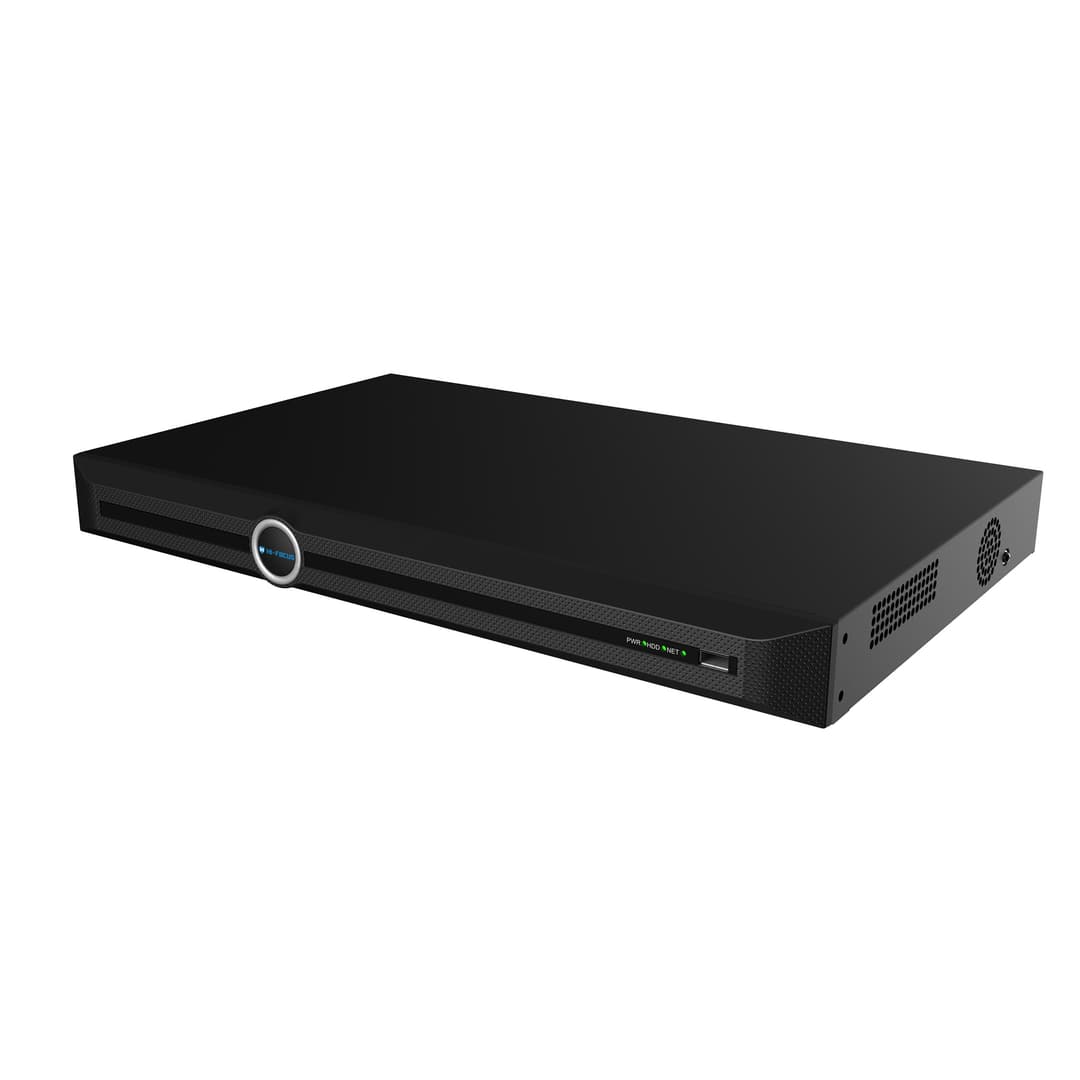
AN AI NVR BY HIFOCUS - 40 CHANNEL NETWORK VIDEO RECORDER
4. Certification and Cybersecurity Are No Longer Optional

IMAGE SOURCE: https://www.linkedin.com/pulse/stqc-certification-threat-opportunity-indian-cctv-industry-kumar-zxjoc
Here's something many businesses don't realise yet: the rules around CCTV cameras in India have tightened considerably. The Ministry of Electronics and Information Technology (MeitY) now requires CCTV cameras sold in India to meet Bureau of Indian Standards (BIS) safety requirements and undergo Essential Requirements testing, with the new framework specifically referencing OWASP standards and covering network encryption, data integrity, and penetration testing to guard against cyber threats.
In plain terms, a camera connected to your business network is a potential entry point for hackers if it isn't properly secured. This is precisely why choosing certified IP cameras matters far more than it used to. An uncertified or poorly manufactured camera isn't just a compliance risk; it's a genuine cybersecurity liability sitting inside your business network. Working with a vendor whose entire IP camera range is compliant with current regulations isn't a box-ticking exercise anymore; it's basic due diligence.
5. Lower Long-Term Cost, Better Integration
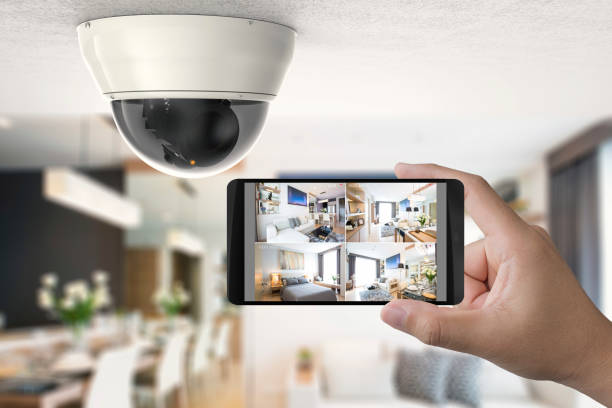
IP cameras usually cost more upfront than analog ones, but that comparison misses the bigger picture. A single network cable can carry both power and data (PoE), cutting down on cabling costs. Storage can be centralised or cloud-based instead of needing a separate DVR per site. And because IP systems run on standard networking protocols, they integrate far more easily with access control, alarm systems, and even point-of-sale software, giving businesses one connected security ecosystem instead of five disconnected tools.
Over a 3–5 year period, this usually works out cheaper to maintain, and businesses aren't left retrofitting outdated hardware every time they want to add a smart feature. It's a big part of why the transition toward network-based systems is accelerating. Industry analysis notes the wider CCTV camera market itself is shifting from legacy analog and HD systems toward IP-based devices that offer superior resolution and remote accessibility.
Why Businesses Across India Choose HiFocus
HiFocus has spent years building surveillance solutions for the way Indian businesses actually operate. Retail chains, warehouses, manufacturing plants, educational institutes, hospitals, and banking infrastructure all have different needs, and a one-size-fits-all camera rarely works well for any of them.
That's why HiFocus offers a full range of the best IP cameras built for different environments, from low-light retail floors to high-traffic warehouses, backed by certified manufacturing, AI-powered tools like IntelliSeek, and dedicated support teams across India. As a company that has consistently featured among the top CCTV brands in India, HiFocus focuses on more than just selling hardware; the goal is building security systems businesses can genuinely rely on.
If you're evaluating Indian CCTV brands for an upcoming security upgrade, it's worth comparing not just camera specs, but also certification status, AI capabilities, and after-sales support three things that matter far more once the system is actually installed and running day to day.
Making the Switch
Business security in India isn't about ticking a compliance box anymore. It's about having a system that gives you real answers when something goes wrong, that scales as your business grows, and that doesn't become a liability sitting on your own network. IP cameras backed by proper certification and smart search tools re how that's being achieved.
If your business is still running on an old analog setup, exploring HiFocus's range of IP CCTV cameras is a good place to start figuring out what an upgrade would actually look like for your specific sites and sector.
Frequently Asked Questions
1. What is the main difference between IP cameras and analog CCTV cameras?
IP cameras convert video into digital data and send it over a network (wired or wireless), giving higher resolution and remote access. Analog cameras send a raw signal over coaxial cable to a DVR, which limits both image quality and how the footage can be accessed.
2. Are IP cameras more expensive than analog cameras for a business?
The upfront hardware cost is usually a bit higher, but IP systems often work out cheaper over 3–5 years due to lower cabling costs (via PoE), centralised storage, and easier scaling as a business adds new sites or cameras.
3. Can IP cameras work if the internet goes down?
Yes. Most business-grade IP cameras record locally to an NVR (network video recorder) or onboard storage even without an active internet connection. Internet access is only needed for remote viewing, not for the camera to keep recording.
4. What is AI video search in CCTV systems?
AI video search, like HiFocus's IntelliSeek, lets you search recorded footage using a text description of what you're looking for a person, object, or event nstead of manually scrubbing through hours of recordings.
5. Is BIS certification mandatory for CCTV cameras sold in India?
Yes. MeitY has made BIS registration and Essential Requirements testing compulsory for CCTV cameras sold or deployed in India, covering safety, encryption, and cybersecurity standards.
6. How long can footage from an IP camera be stored?
This depends on storage capacity, resolution, and business requirements, where from a few days to several months. Many businesses choose tiered storage: recent footage on local NVRs and older footage archived to cloud or off-site storage.
7. Can IP cameras be connected to access control or alarm systems?
Yes. Because IP cameras run on standard networking protocols, they can be integrated with access control, intrusion alarms, and even POS systems to create a single connected security setup rather than separate standalone tools.
8. Which types of businesses benefit most from IP CCTV cameras?
Retail chains, warehouses and logistics hubs, manufacturing units, banks, educational institutes, and hospitals see the biggest gains, since these sectors need multi-site monitoring, high-resolution evidence, and fast footage retrieval.
9. How do I choose the right IP camera brand for my business?
Look beyond price and resolution specs. Check BIS/certification status, AI capabilities (like searchable footage), after-sales support and service network, and whether the brand has a track record with businesses in your sector.
10. Does HiFocus provide installation and support across India, or just the cameras?
HiFocus provides end-to-end support from selecting the right camera range for your sector to installation, AI-powered tools like IntelliSeek, and ongoing service support across India, not just the hardware.