For many businesses today, installing CCTV cameras is no longer just about surveillance — it's about operational safety, compliance, and risk prevention.
Factories monitor production floors. Corporate offices secure entry points. Warehouses track inventory movement.
But when companies begin exploring CCTV security services, they often face a common dilemma:
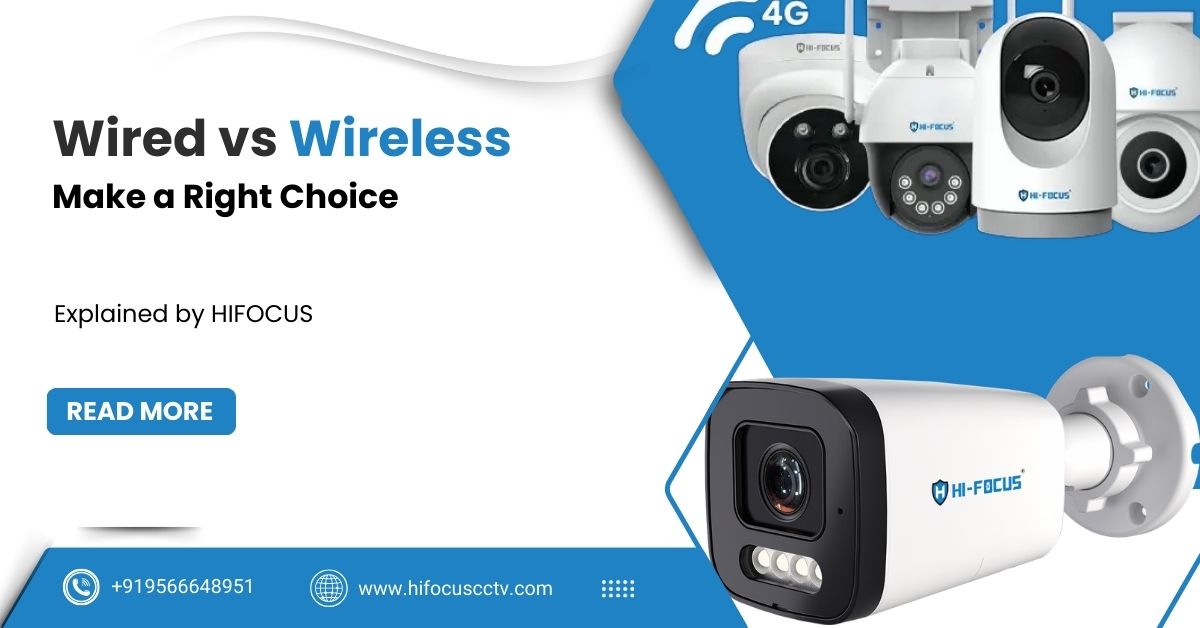
Should you install wired CCTV systems or wireless CCTV cameras?
While wireless systems sound modern and convenient, many large organizations still rely on traditional wired systems for reliability. The best choice ultimately depends on facility size, infrastructure, and security priorities.
This guide explains the key differences between wired and wireless CCTV systems and helps Indian businesses decide which option works best for them.
Why CCTV System Selection Matters for Large Businesses
In large commercial environments, surveillance systems do much more than record video.
They help businesses:
Prevent theft and internal fraud
Monitor employee safety
Protect sensitive operational areas
Ensure regulatory compliance
Improve incident investigation
Because of these responsibilities, selecting the wrong surveillance infrastructure can lead to connectivity issues, poor footage quality, or costly system upgrades later.
Understanding how wired and wireless systems work is the first step toward making a smarter decision.
Wired CCTV Systems: Built for Stability and Scale
Wired CCTV systems connect cameras to recording devices using physical cables. These cables may include Ethernet (for IP cameras) or coaxial cables (for analog cameras).
In most professional installations, wired cameras connect to a Network Video Recorder (NVR) through a structured network.
Why Businesses Prefer Wired Systems
Large organizations typically prioritize reliability and performance, and wired CCTV systems offer both.
Consistent video transmission
Unlike wireless cameras, wired systems are not affected by WiFi signal interruptions or bandwidth fluctuations.
Better performance for HD cameras
High resolution cameras generate large data streams. Wired networks ensure smooth transmission even with 4K or multi megapixel hd CCTV cameras.
More secure network environment
Since data flows through a physical infrastructure, wired systems offer stronger protection against unauthorized access.
Ideal for large facilities
Industrial plants, corporate campuses, and warehouses often require dozens of cameras. Wired infrastructure handles such deployments effectively.
Wireless CCTV Cameras: Flexible but Network Dependent
Wireless surveillance systems use WiFi to transmit video signals instead of dedicated cables.
These systems are commonly referred to as WiFi smart CCTV cameras, and they are often paired with cloud based monitoring apps.
While wireless cameras still require a power source, they eliminate the need for separate video cables.
Where Wireless CCTV Cameras Make Sense
Wireless systems are popular in environments where quick installation and flexibility are important.
Easy deployment
Cameras can be installed without extensive cabling work.
Ideal for temporary locations
Short term office spaces or rental properties benefit from wireless systems because they can be relocated easily.
Remote monitoring capabilities
Many wireless cameras are designed with mobile apps for real time viewing and alerts.
Lower installation effort
Small businesses with limited infrastructure may find wireless setups more convenient.
Comparing Wired and Wireless CCTV Systems
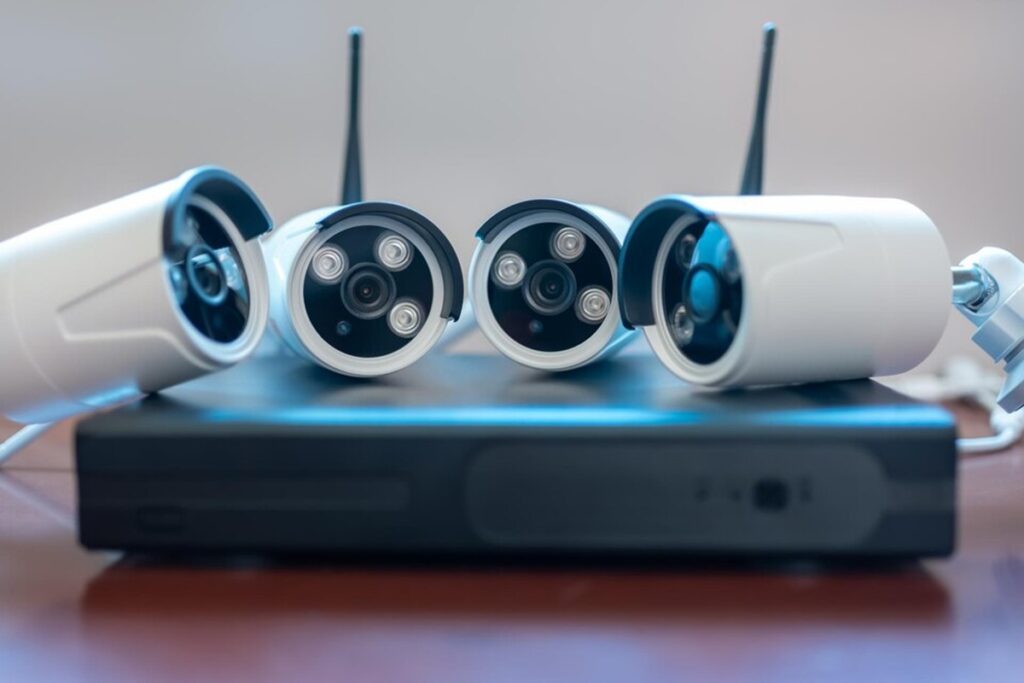
When evaluating surveillance systems, businesses should compare them across key operational factors.
Reliability
Wired CCTV systems are typically more stable because they do not rely on WiFi connectivity.
Wireless cameras depend heavily on network strength. Poor signal coverage can affect footage quality.
Installation Complexity
Wireless systems are easier to install because they require fewer cables.
Wired systems involve structured cabling but provide long term operational benefits.
System Scalability
For large facilities, wired infrastructure is easier to scale.
Wireless networks may struggle when too many cameras share the same bandwidth.
Security
Wired systems reduce the risk of external cyber threats since they are not entirely dependent on wireless networks.
Wireless cameras require strong network security protocols.
Real World Examples from Indian Business Environments
Manufacturing Plants
Factories often operate across large spaces with heavy machinery and metal structures that can interfere with WiFi signals.
Because of this, wired CCTV systems are usually the preferred choice for manufacturing surveillance.
Corporate Buildings
Corporate environments need cameras in multiple areas:
Reception and entry points
Parking areas
Meeting rooms
Server rooms
Wired systems provide the consistent performance required for 24/7 monitoring.
Warehouses and Logistics Centers
Warehouses typically expand over time. As storage areas grow, additional cameras may be required.
Wired systems allow businesses to add new cameras without affecting overall network stability.
Small Offices and Retail Stores
Smaller businesses often choose wireless CCTV cameras because installation is quick and cost effective.
These systems work well when the camera count is limited and the WiFi network is stable.
Key Questions Businesses Should Ask Before Installing CCTV
Before deciding between wired and wireless surveillance systems, organizations should consider:
How large is the facility?
Large premises with multiple floors usually require wired systems.
How reliable is the internet connection?
Wireless cameras rely heavily on strong and stable WiFi.
How many cameras are needed?
Systems with more than 20 cameras generally perform better with wired infrastructure.
Is future expansion planned?
Businesses expecting growth should prioritize scalable solutions.
Why Professional CCTV Security Services Matter
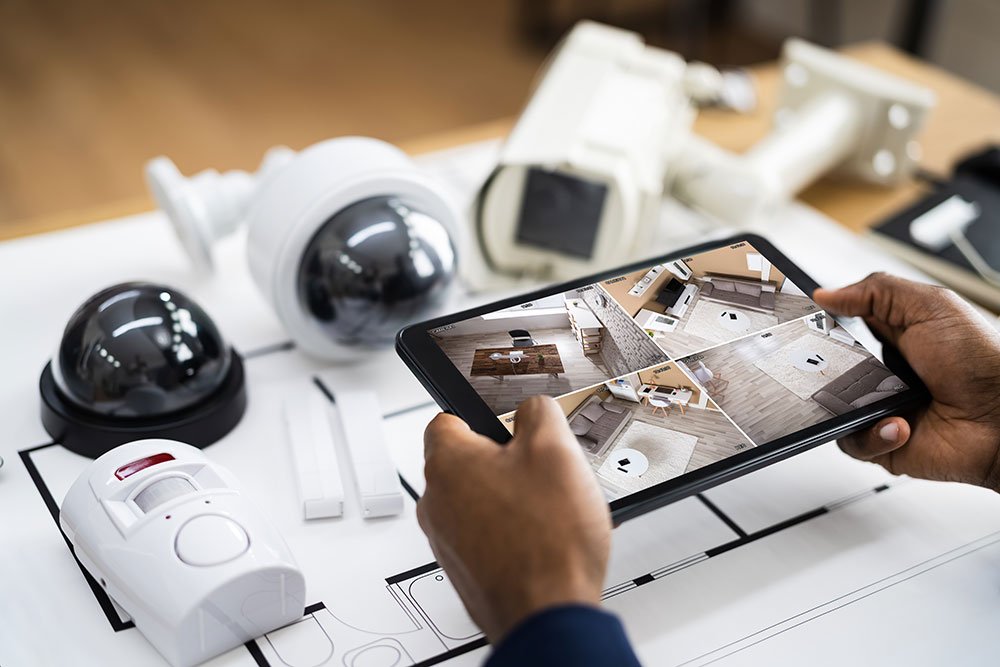
Choosing the right camera type is only one part of a successful surveillance system.
Professional CCTV security services help businesses design systems that are tailored to their specific environments.
Experienced providers assist with:
Security risk assessment
Camera placement strategy
Network design
System integration
Long term maintenance
This ensures the CCTV infrastructure delivers reliable performance and maximum coverage.
A Trusted Surveillance Solution for Indian Businesses
Organizations planning surveillance upgrades or new installations should work with experienced industry specialists.
Companies like Hifocus provide comprehensive surveillance solutions designed for corporate buildings, manufacturing facilities, and large commercial environments.
Their approach focuses on modern technology, scalable systems, and practical security planning to meet the needs of growing businesses.
If you're evaluating surveillance solutions for your facility, you can check out the Hifocus CCTV security services.
Final Takeaway
Both wired and wireless CCTV systems serve important roles in modern business security.
However, the best choice depends on the size of the facility, network reliability, and long term security needs.
In general:
Wired CCTV systems are ideal for large businesses that need reliability and scalability.
Wireless CCTV cameras are better suited for smaller installations where flexibility matters.
With the right planning and professional guidance, businesses can build surveillance systems that protect assets, support operations, and grow with the organization.